Designing for efficiency
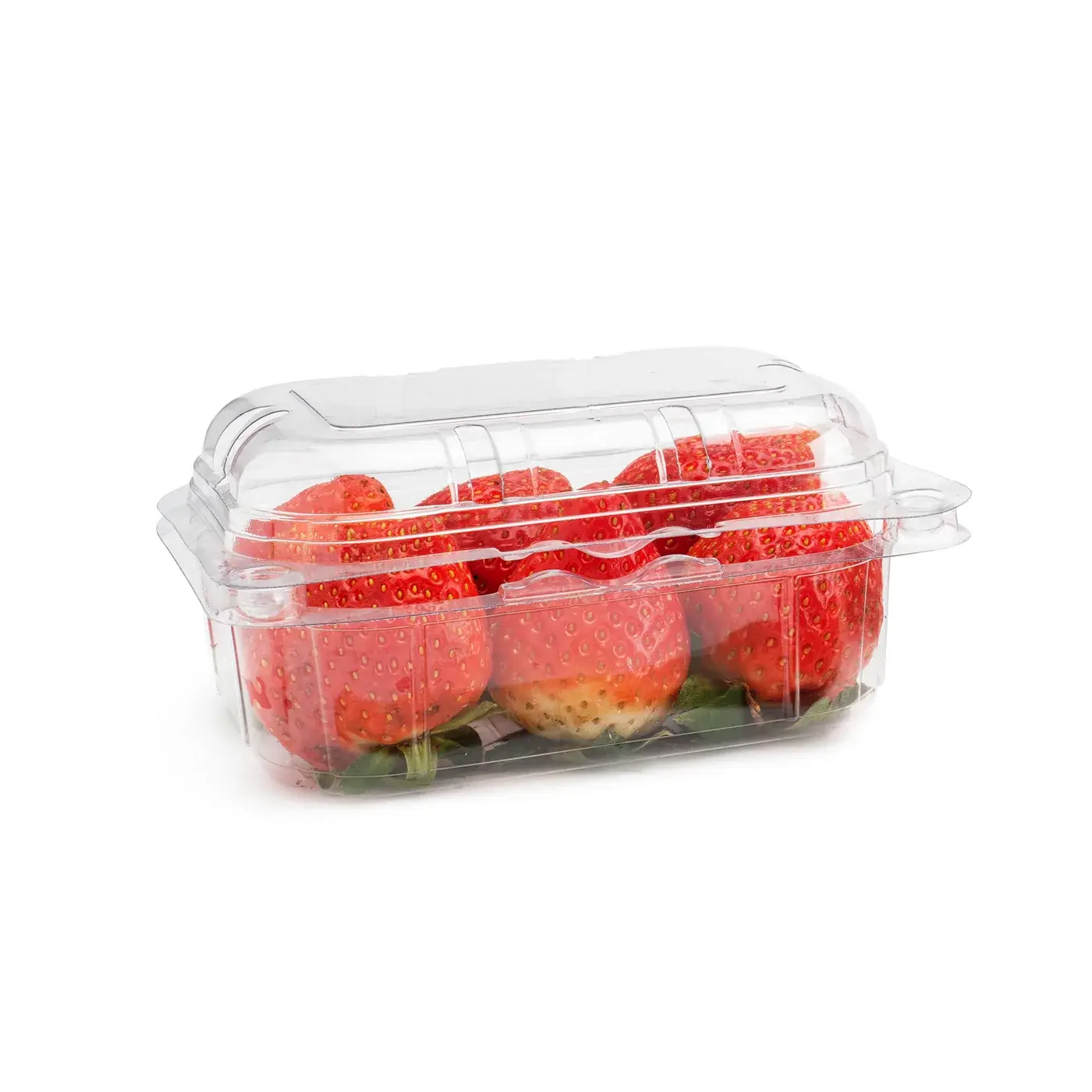
Thermoforming turns a flat sheet of plastic into a shaped pack — a clamshell, a punnet, a tray — by heating it and forming it against a mould. The efficiency case for it comes from how directly that process connects to the material it starts from: when the same facility extrudes the sheet and forms the pack, a new format doesn't wait on an outside converter's schedule or add a second supplier's margin and lead time into the cost. AVI runs extrusion, tooling and thermoforming from the same Daman site for exactly that reason.
Material choices
Not every thermoformed pack should be made from the same material. PET and rPET suit clarity-driven retail formats where the product needs to be visible; PVC still holds a role in specific blister and folding-box applications; and barrier structures like PET/EVOH/PE or PET/PA/PE exist for products that need more oxygen protection or puncture resistance than a standard structure gives. Getting this choice right up front avoids over-specifying a pack — and paying for barrier or clarity a product doesn't need.
What comes next
The direction of travel in thermoforming is toward higher recycled content without giving up performance, and toward tooling that can produce a wider range of formats without a full retool. In-house mould development is what makes that responsive — a new pack size or a tweak to an existing one moves from brief to production line without waiting on an external toolmaker's queue.