
In medical and food-grade packaging, the finished package usually gets all the attention. If a medical tray forms accurately, a pharmaceutical blister allows easy product inspection, or a food container looks clear on the shelf, the packaging has done its job. What often goes unnoticed is everything that happened before…
Our Blog

Not every packaging project starts with the same product. But almost every one starts with the same question. Which plastic sheet is the right choice? At first glance, the answer seems simple. Compare a few material specifications, check the price, and make a decision. That is rarely how it works…
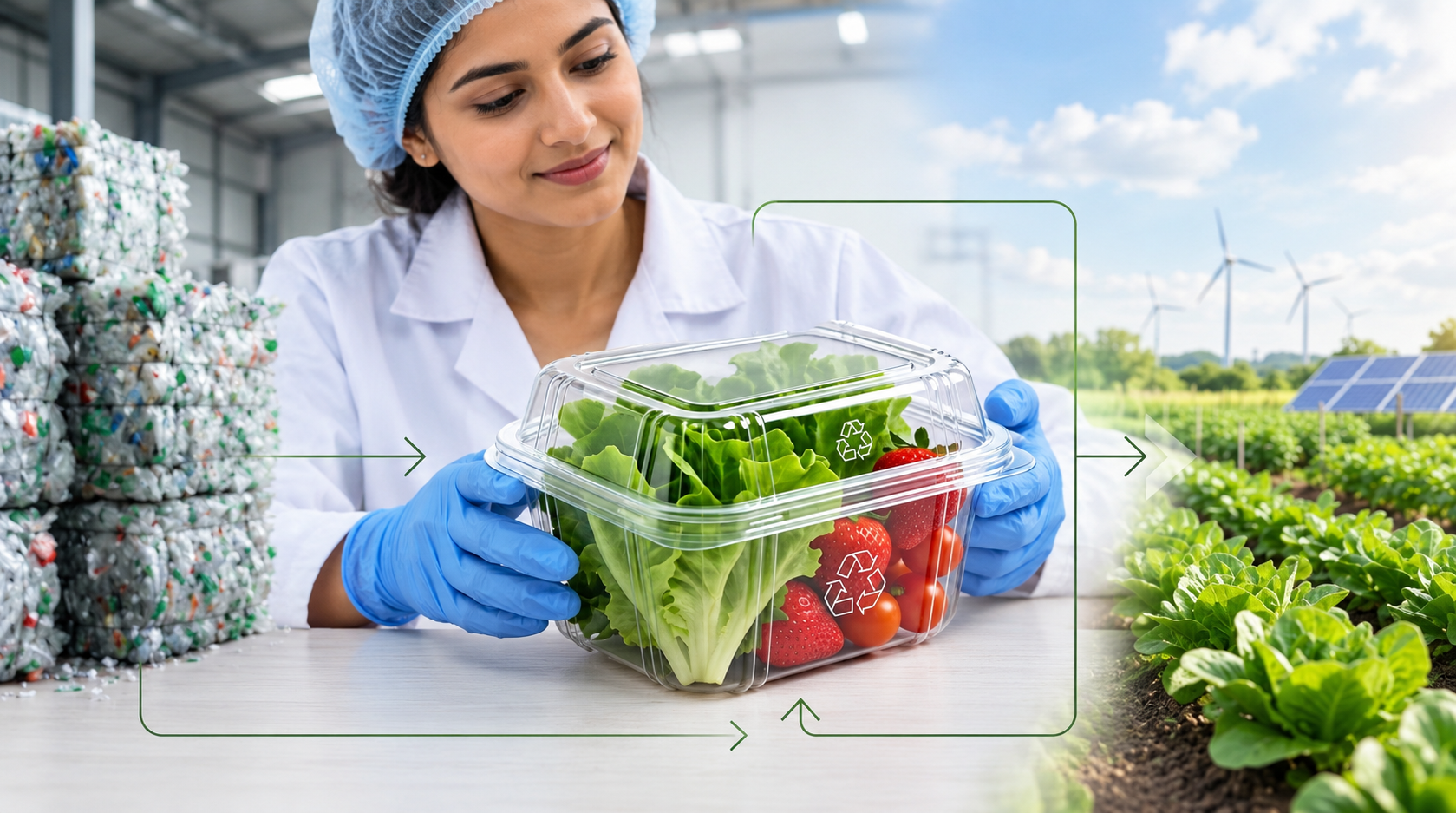
If you ask a packaging team what makes a good package, the response hasn’t varied much over the years. It should protect the product. Run consistently during production. Reach the customer in good condition. Those expectations still matter. What’s transformed is the conversation around them. Today, many customers also want…

If you’ve spent time in a box-making or graphics packaging facility, you’ll know that good printing doesn’t begin at the printing press. It begins much earlier. With the material. A package may have an excellent design, premium graphics, and the right finishing. But if the material doesn’t print consistently, achieving…
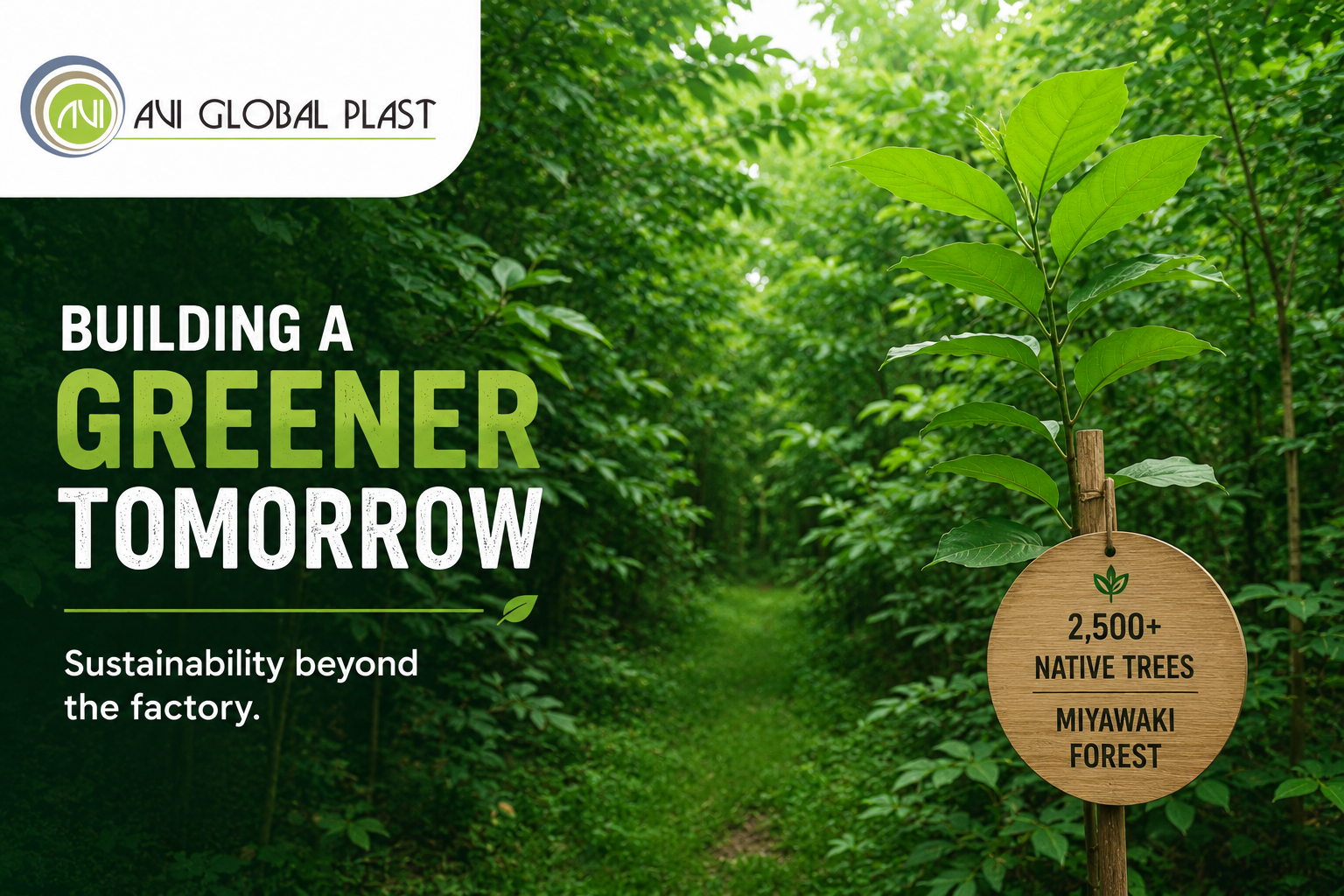
Sustainability is frequently concerned with recycled materials, manufacturing practices, and environmental goals. Those things count. But sometimes sustainability becomes visible in a different way. At AVI Global Plast, one such initiative took shape as a Miyawaki forest with more than 2,500 native trees. At first, it may seem unusual. Packaging companies are…
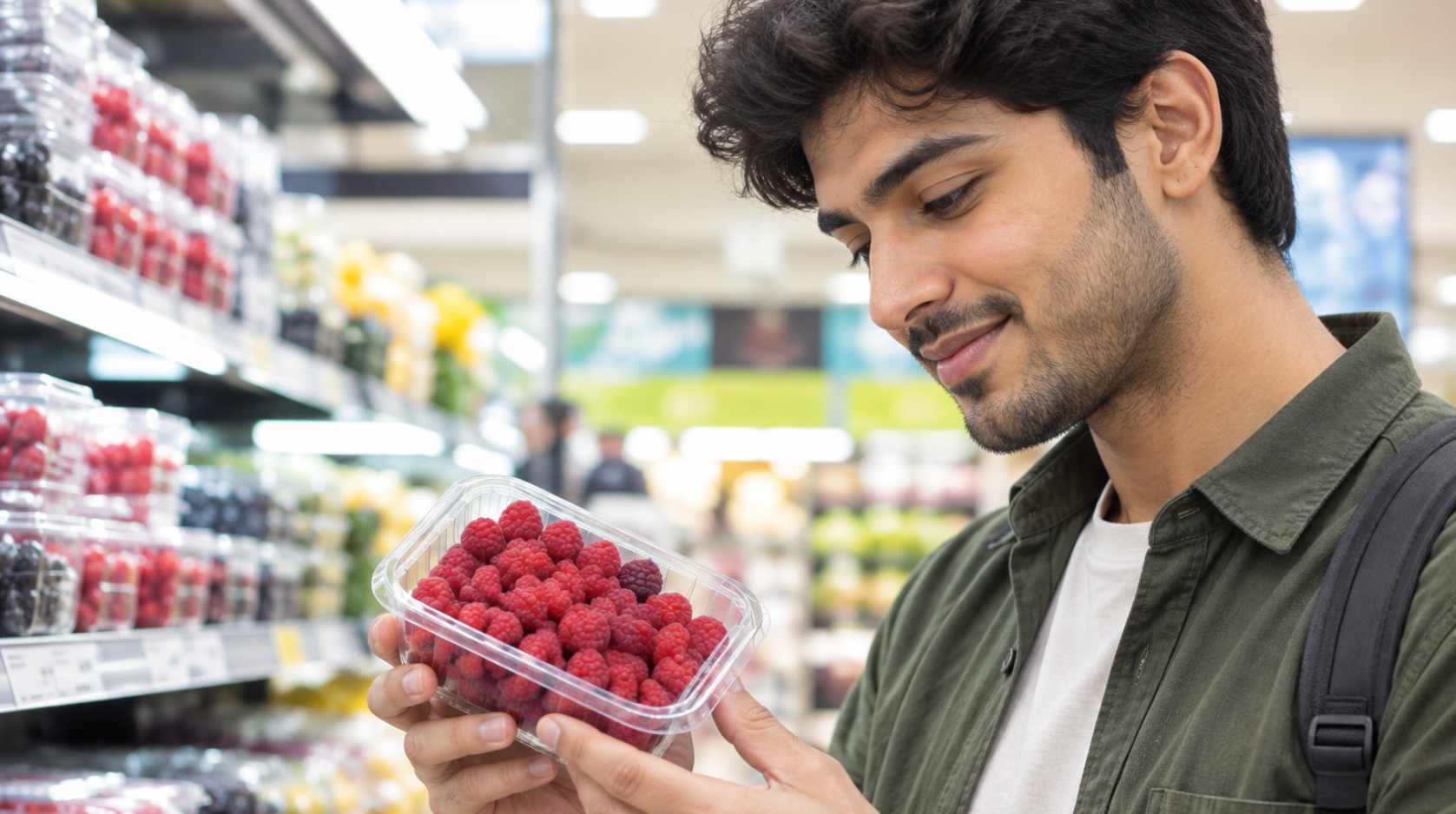
Berry growers know that harvesting a quality crop is only part of the challenge. The bigger challenge often comes afterward. Once berries are packed, they begin a journey through storage facilities, transport networks, distribution centers, retail shelves, and consumer handling. At every stage, product quality is under pressure. A small…
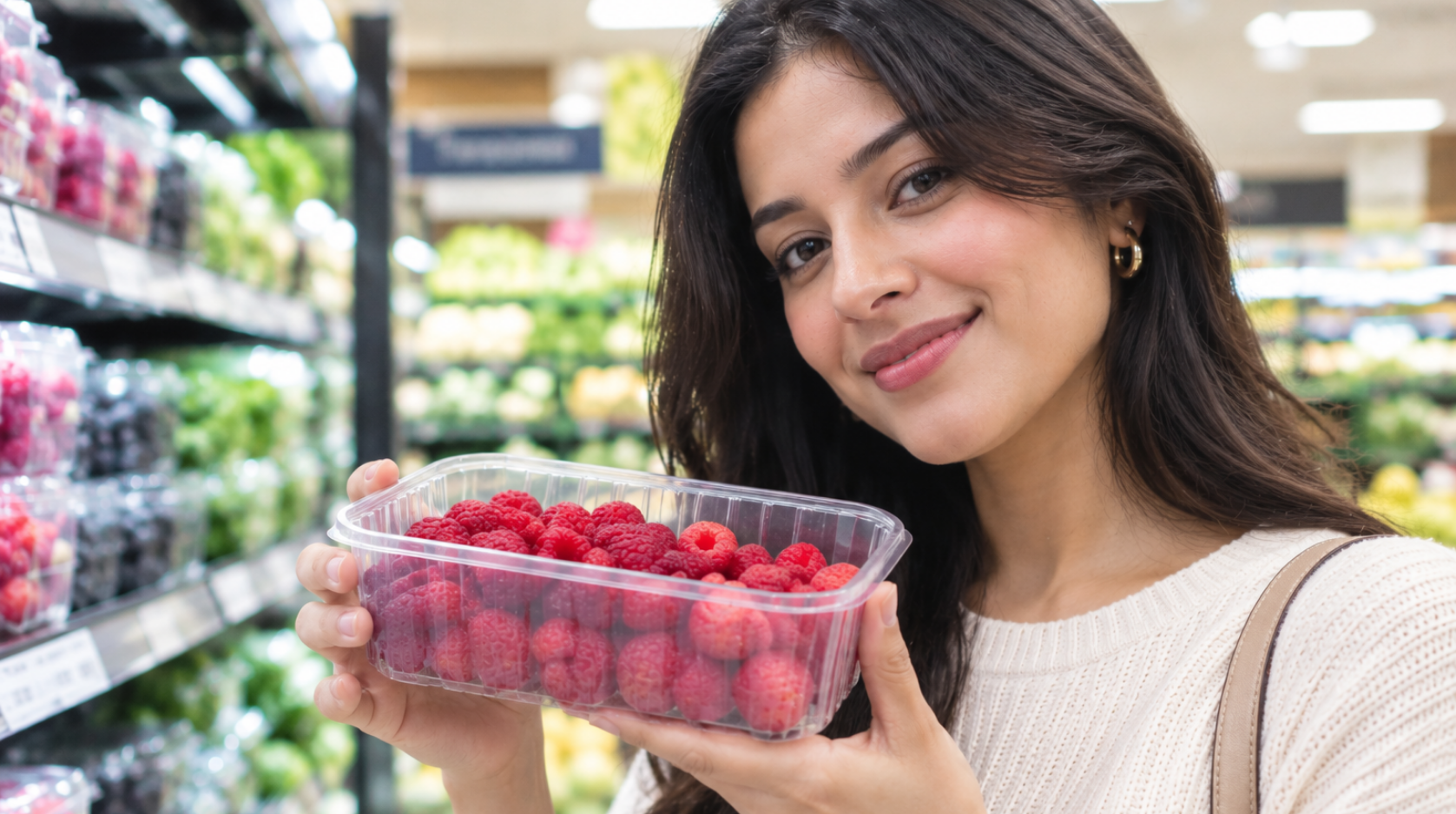
Strawberries are considered to be valuable and delicate products in the fresh produce supply chain. On leaving the packing facility, the produce looked fresh, firm, and ready for market. Yet by the time they reach retail, the picture can look very different. Moisture may have built up inside the pack.…

For growers, packers, exporters, and retailers, product quality is not measured at the time of packing. It is measured when the product reaches the shelf. A product may leave the packing facility in perfect shape. Yet by the time it reaches retail, it may display signs of bruising, moisture buildup,…
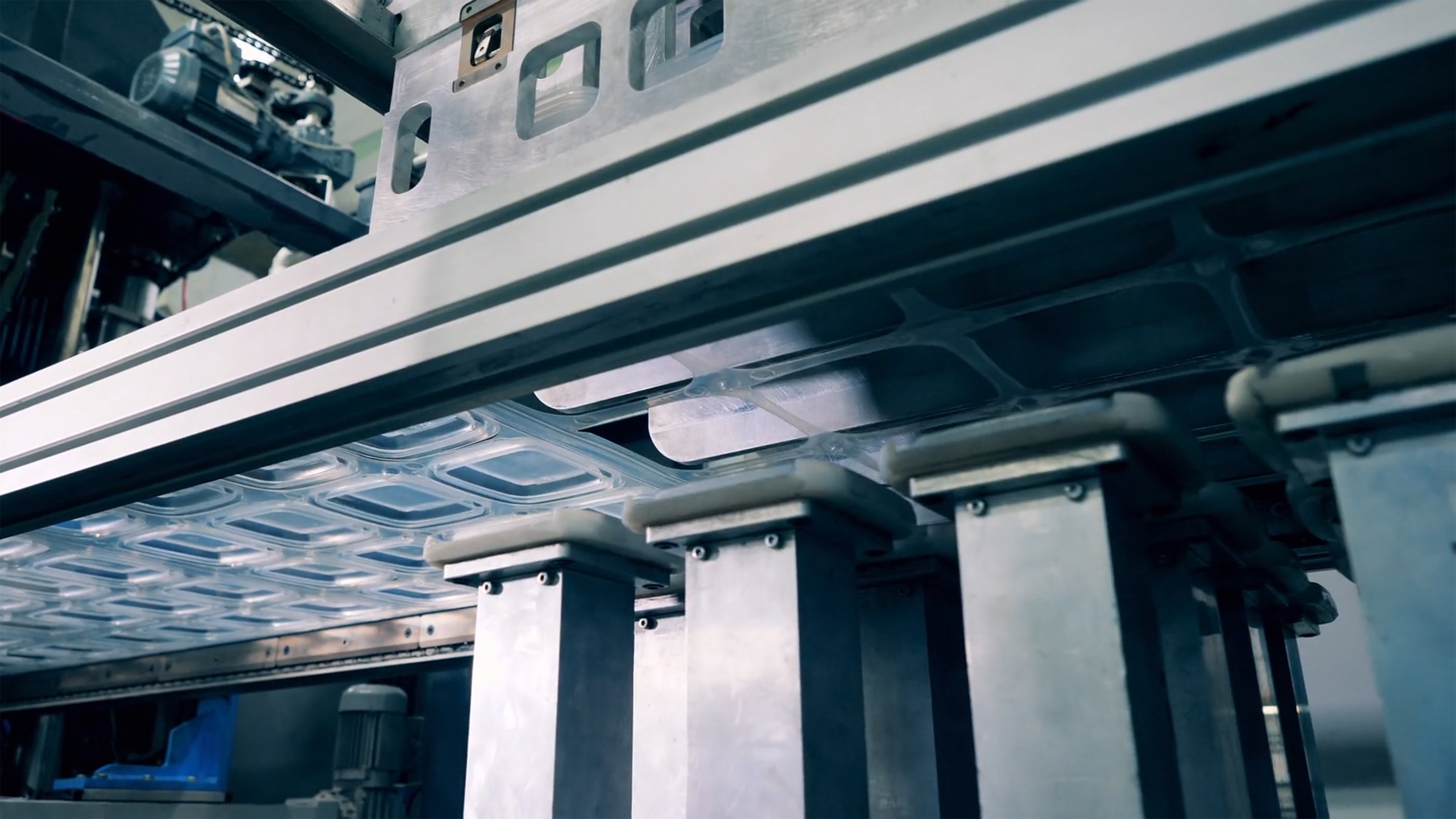
A thermoforming line can run the same tooling, machine settings, and production schedule every day. Yet one production run delivers smooth output while another struggles with uneven forming, rejected parts, and unnecessary material waste. The difference is often not the machine. It is the film. For converters, PVC films are expected to…
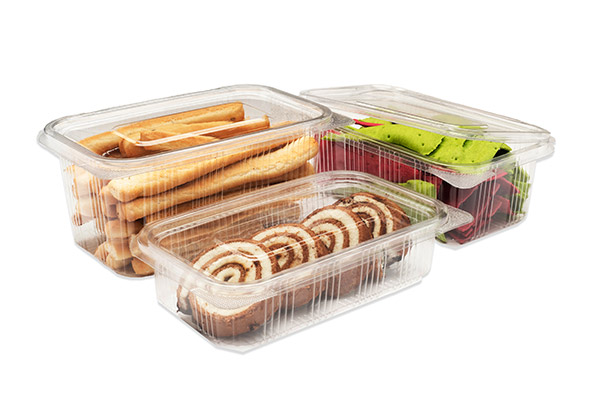
A hinged lid container rarely gets much attention when everything is working as expected. The lid stays closed. The product remains protected. The package stacks neatly and looks presentable on the shelf. Then it enters the real world. It gets stacked on pallets, moved through warehouses, transported across distribution networks,…