
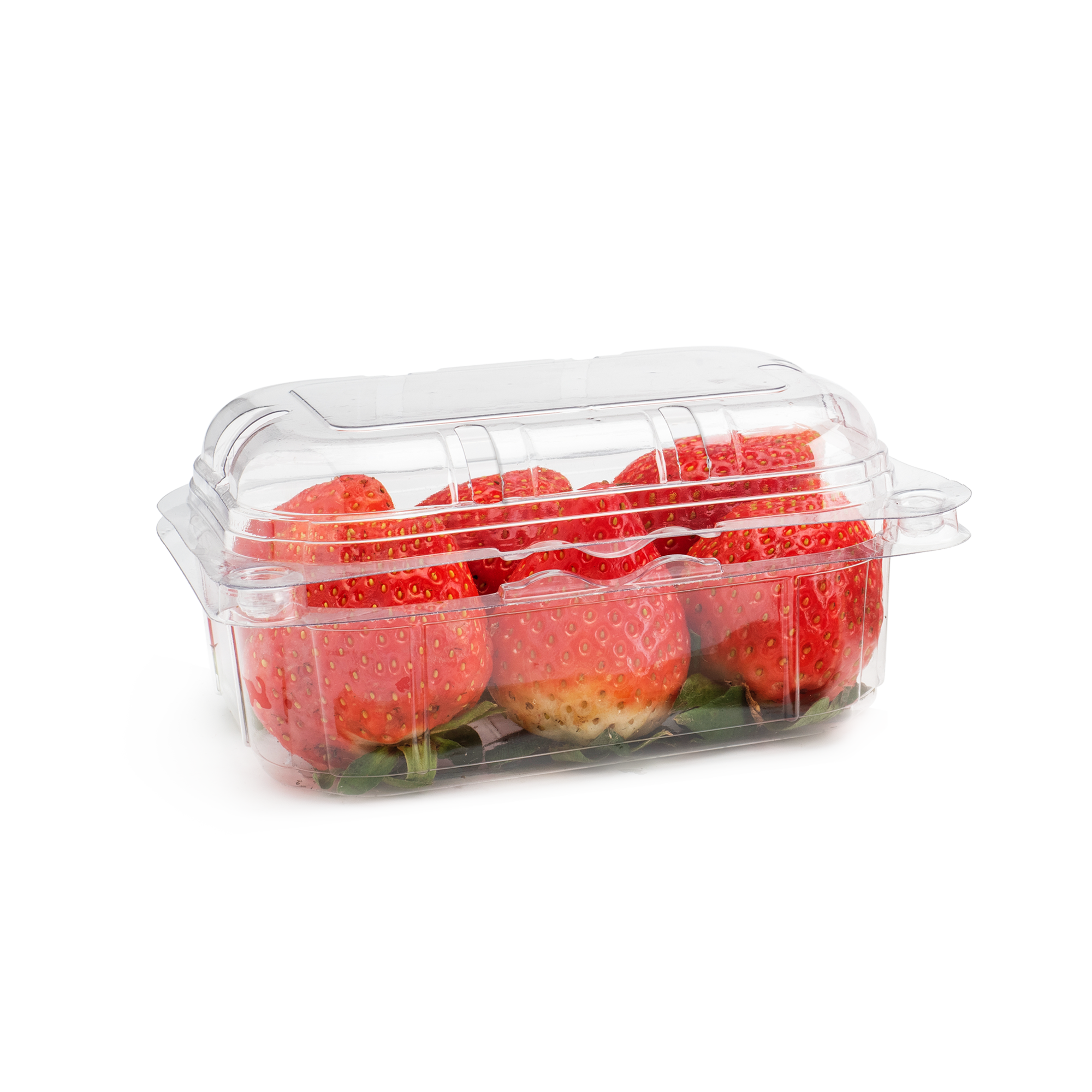
Introduction: Why strawberry packaging fails in real supply chains Strawberries do not fail in the field. They fail in transit. A few hours of compression during transport, uneven pre-cooling, or moisture trapped inside the pack can accelerate softening and condensation. What begins as a minor handling issue quickly turns into…
Our Blog
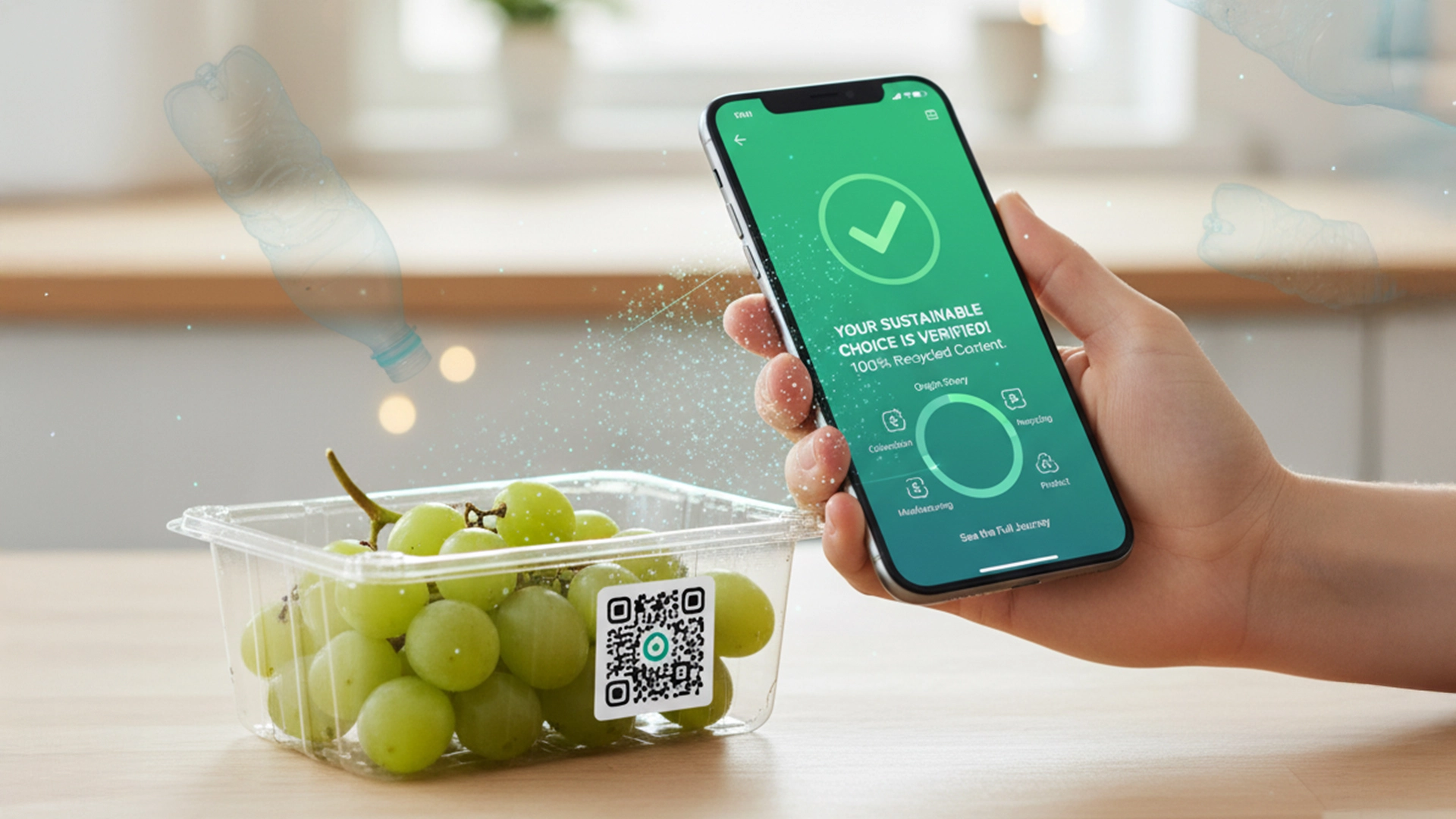
Why Traceability Defines the Credibility of rPET Packaging? Traceability in recycled plastics has shifted from a supportive practice to a structural requirement—especially where packaging intersects with food safety, regulation and public trust. As brands increase their use of rPET across high-visibility categories, they now expect more than broad sustainability promises.…
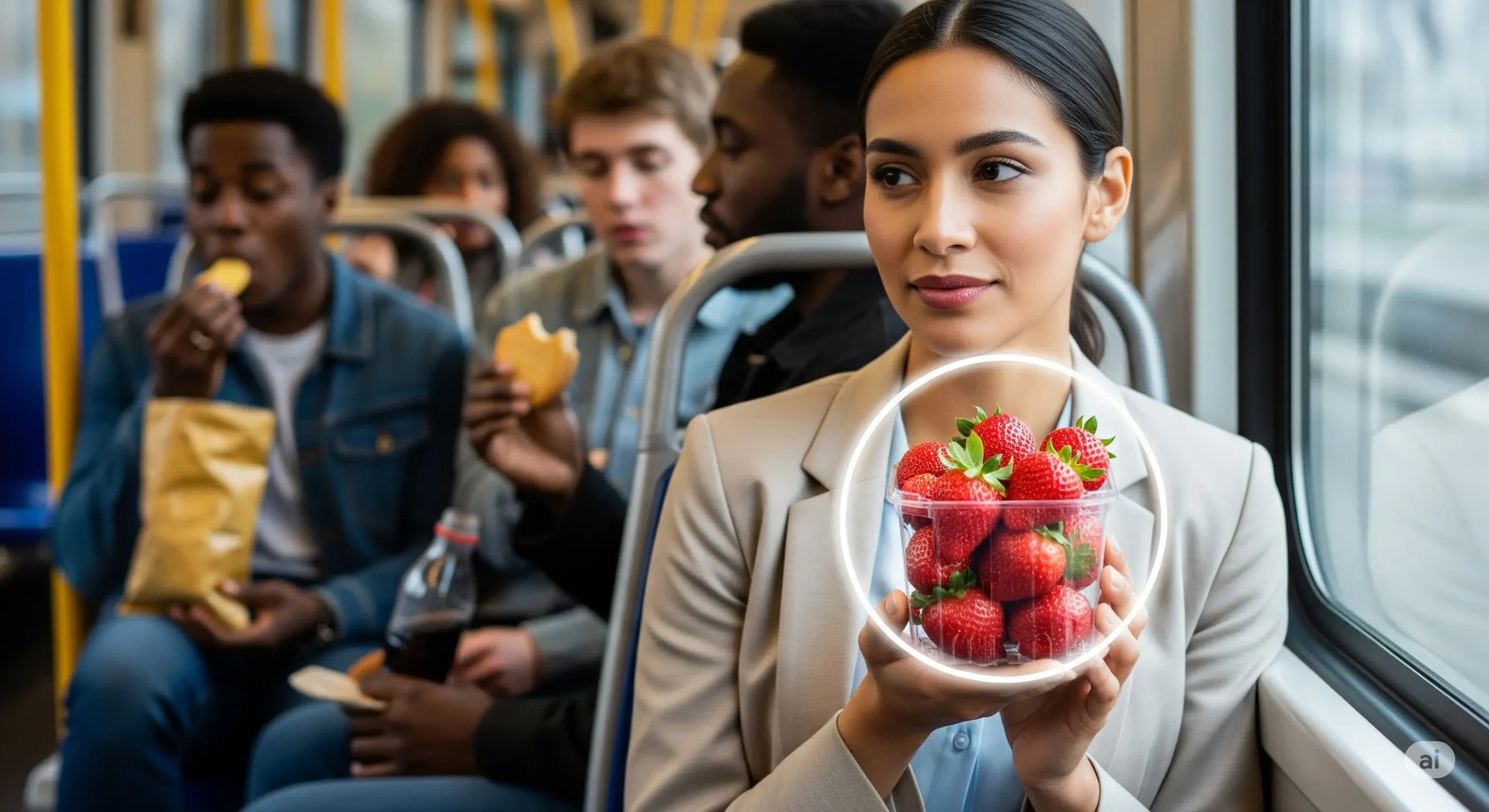
The Challenge: From Indulgence to Intention Not too long ago, “snacking” was shorthand for indulgence. A bag of chips on a commute, a packet of biscuits tucked into a school bag, a cold drink from the corner store — quick energy, little thought, and plenty of guilt. Today, the snacking…
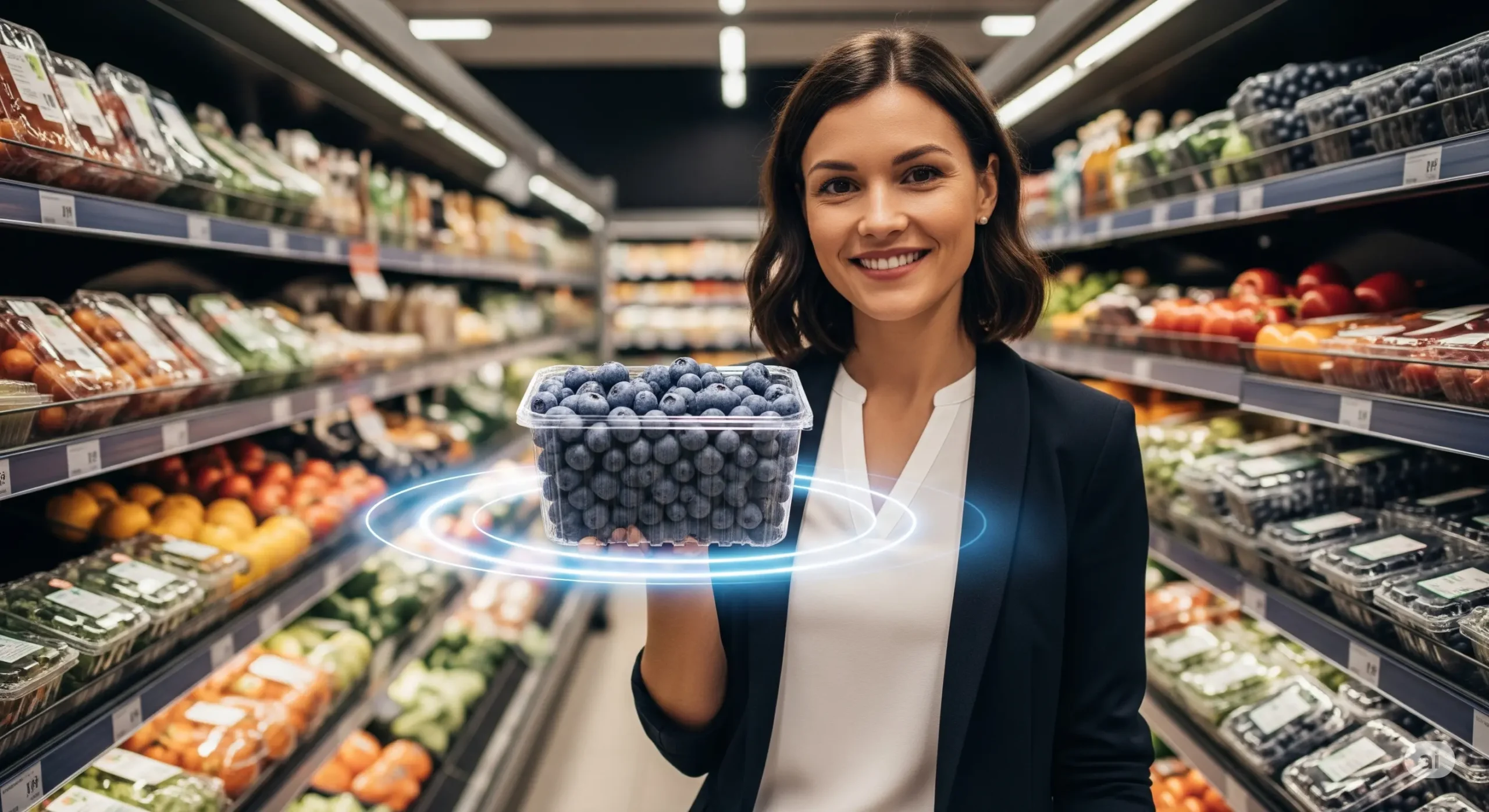
When Sustainability Meets the Real World Walk through any supermarket, and you’ll find packaging that talks a big sustainability game—”100% recyclable,” “bio-based,” “compostable.” But the gap between intention and execution is becoming harder to ignore. A recyclable tray that isn’t collected is still waste. A compostable pouch that needs special…
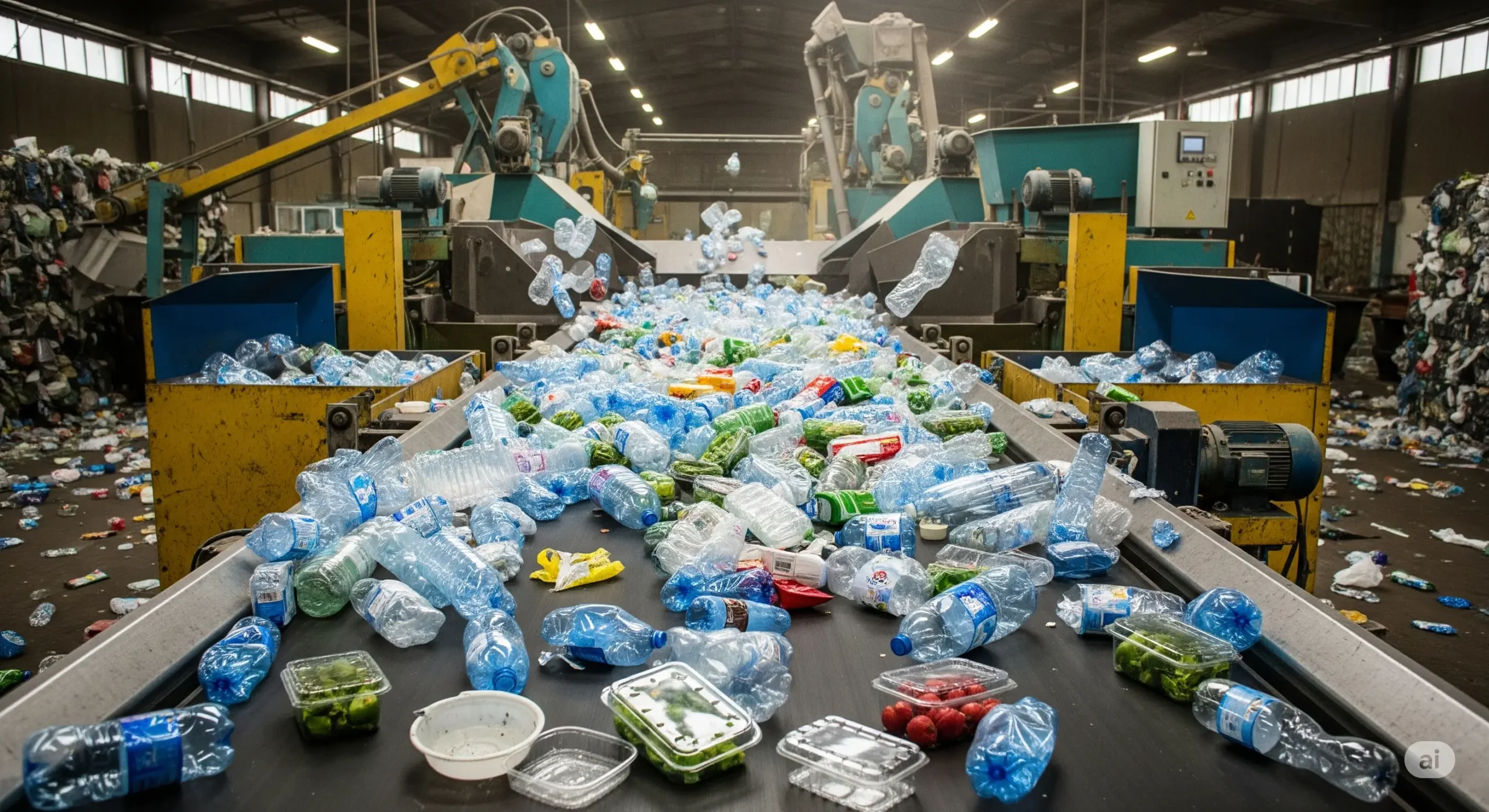
Why Most “Recyclable” Packaging Isn’t Really Recycled Walk into any grocery aisle, and you’ll find trays, wraps, punnets, and containers proudly stamped with the recycling symbol. It gives the impression of a circular, closed-loop system already at work. But peel back the label, and the story looks very different. Most…
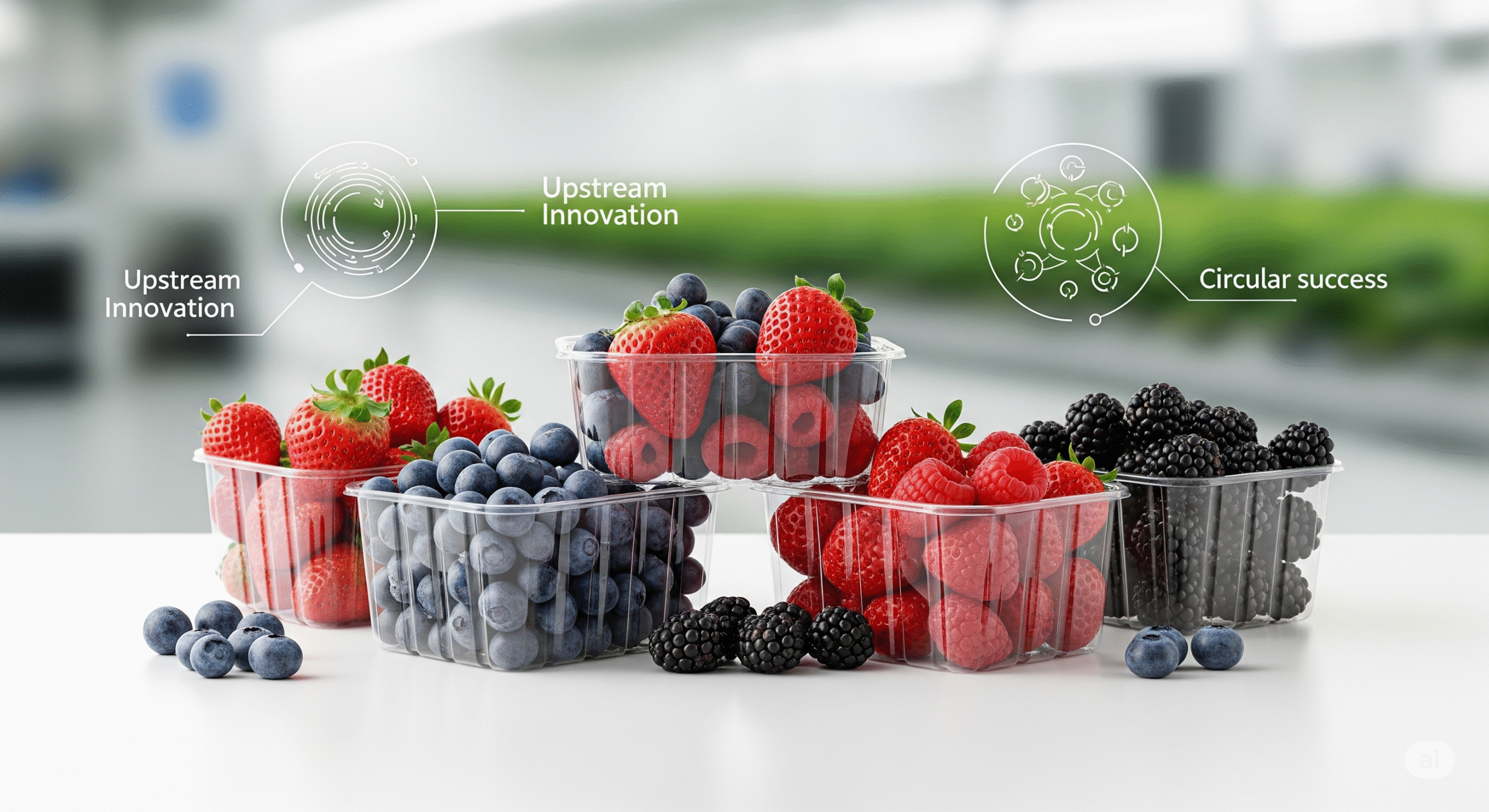
Did you know only 9% of plastic waste is recycled globally? Plastics power the modern world—from keeping food fresh to protecting medical supplies to supporting global logistics — but the way we make and dispose of them is fundamentally flawed. Our global economy still runs on a linear “take-make-dispose” model,…

Is Your “Green” Packaging Truly Sustainable? Choosing sustainable packaging for your food business can feel like a daunting task—especially when so-called “eco-friendly” options fall short. A study by Viscotec reveals a game-changer: recycled PET (rPET trays), made from recycled PET, have the lowest carbon footprint compared to cardboard/plastic combinations, despite…

The world’s craving convenience, and e-commerce is delivering—literally. The e-commerce food delivery boom is real—Zomato’s orders spiked 53% to Rs 15,455 crore in Q1 FY25, while Swiggy’s Instamart grew 101% to Rs 4,670 crore in Q4 FY25 (Business Standard, 2025; Goodreturns, 2025). Globally, this market is racing toward USD 477.64…
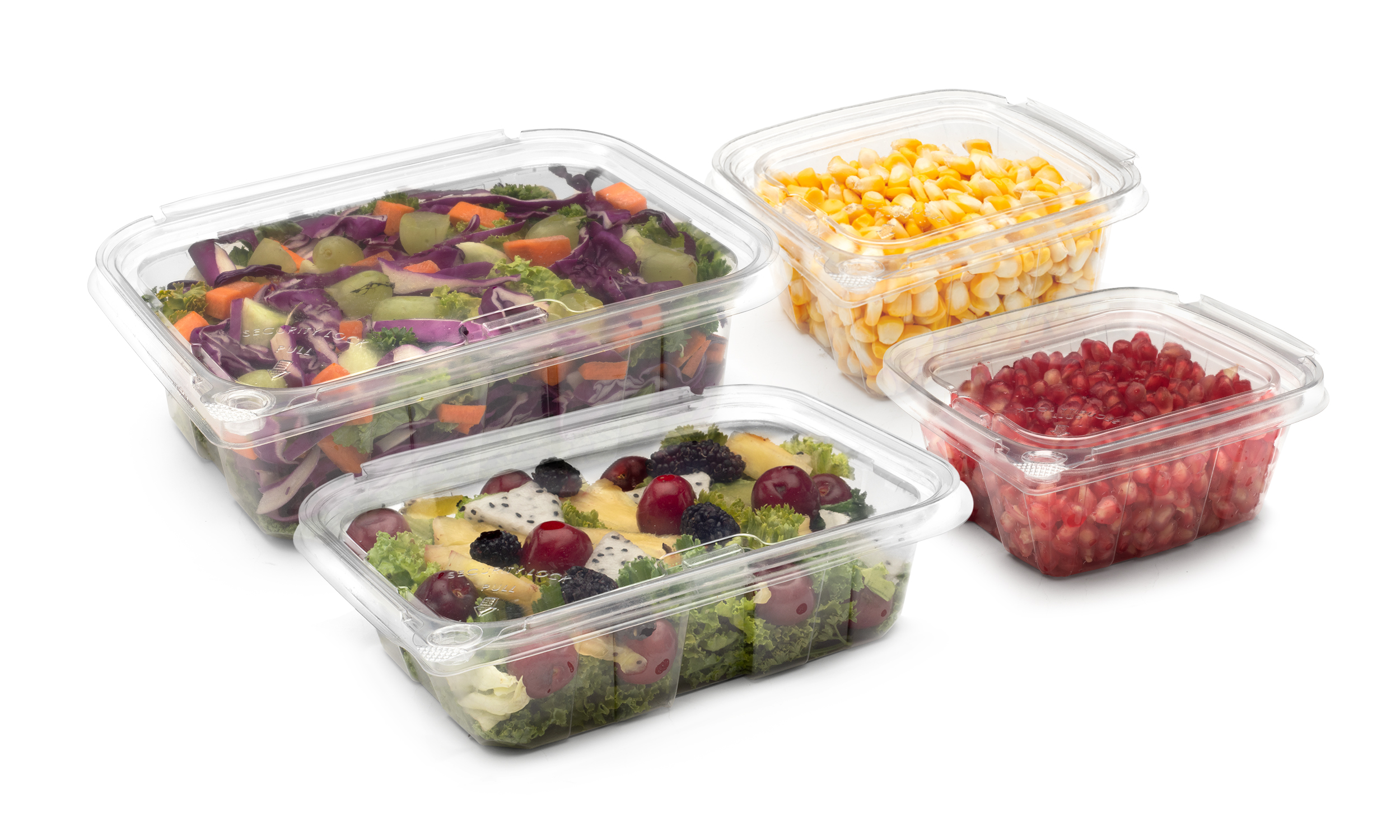
Fresh-cuts and value-added produce aren’t just trending; they are transforming produce aisles across the globe. Whether you walk into a bustling hypermarket in Mumbai, a supermarket in Madrid, or a grocery chain in New York, the sight is familiar: neatly packed melon wedges, mixed fruit medleys, chopped salad kits, and…

A New Regulatory Environment In January 2023, Spain introduced its Plastic Packaging Tax, a move designed to reduce plastic waste and encourage more sustainable packaging practices. This tax, which imposes a charge of €0.45 per kilogram on non-recycled, non-reusable plastic affects a wide range of industries including the fresh produce…