
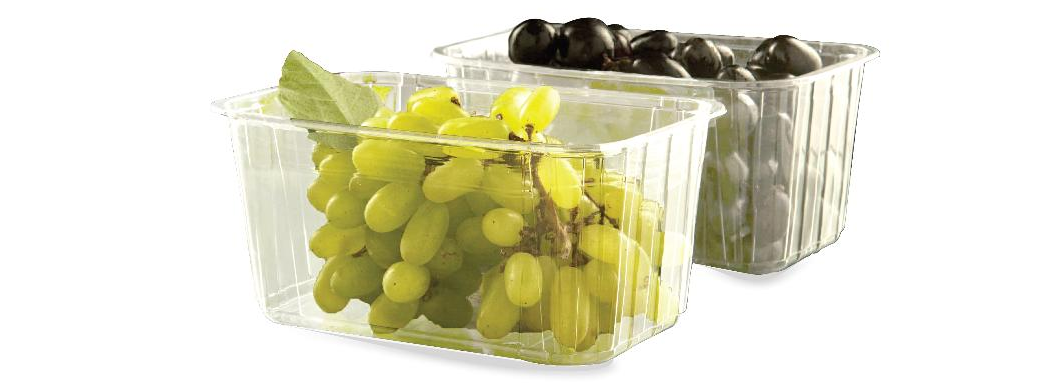
Fresh fruit can leave the packing facility looking perfect and still arrive at retail in very different conditions. The temperature may have been controlled. The fruit may have been handled correctly. Yet somewhere between packing and purchase, quality starts to decline.
Sometimes the fruit softens faster than expected. Sometimes moisture starts collecting inside the pack. Sometimes two shipments that looked identical at packing perform very differently by the time they reach retail.
That is usually where people start asking what changed.
The fruit may start the journey in excellent condition.
The difference is often not the fruit.
It is the packaging surrounding it.
That is because fruit packaging does much more than hold produce during transport. It influences airflow, moisture management, product protection, handling efficiency, and ultimately how the fruit performs throughout the supply chain.
What looks like a simple packaging decision can influence everything from shelf life and transit performance to retail presentation and product waste.
That is why fruit packaging has become an increasingly important consideration for growers, packers, exporters, and retailers alike.
Why does fruit quality start changing after packing
Packing is not the end of the product journey. In many ways, it is just the beginning.
Once fruit enters the supply chain, it moves through cold storage, transport networks, distribution centers, retail shelves, and customer handling. Throughout that journey, the fruit continues to respond to its environment.
Moisture levels change. Airflow conditions vary. Products get stacked, moved, loaded, unloaded, and handled repeatedly.
And at every stage of that journey, packaging plays a bigger role in the outcome.
That is usually where quality differences begin to appear.
That is what makes fresh produce packaging so interesting.
Two shipments can begin the journey looking almost identical and still deliver very different outcomes at retail.
The result can include:
- Reduced shelf life
- Faster softening
- Increased spoilage
- Higher product waste
- Less consistent product quality
For growers, exporters, and retailers, those challenges often translate into lower product value and increased losses across the supply chain.
Why fruit packaging affects shelf life
When fruit starts to lose quality before it reaches retail, refrigeration is usually the first thing people consider. And that makes sense.
But packaging often plays a much bigger role than many people realize.
Fresh produce does not stop changing once it is packed.
It continues releasing moisture. It continues responding to airflow and temperature conditions.
If the pack is not helping to manage those conditions, quality can start to change long before the fruit reaches consumers.
That is usually where packaging starts to do much more than simply hold the fruit.
Well-designed fruit packaging helps support:
- Airflow around the product for more consistent cooling
- Moisture management to reduce condensation risks
- Product separation to minimize bruising
- Stable pack conditions during storage and transport
- Reduced physical stress on the fruit throughout handling
When these factors work together, fruit quality remains more stable throughout storage and distribution.
The benefits start becoming visible fairly quickly.
Longer shelf life helps reduce spoilage, improve inventory management, and increase the amount of saleable product reaching retail shelves.
Why transit performance depends on packaging structure
Most fruit packs look perfectly fine when they leave the packing facility.
In fact, that is what makes transit-related issues frustrating.
Everything can look right at dispatch.
The challenge starts later.
Products are stacked, transported, moved through distribution centers, and handled repeatedly before reaching retail shelves. That is usually where packaging performance becomes visible.
If the container starts flexing under pressure, the fruit often feels the impact first.
The weight that should be carried by the packaging starts transferring directly onto the product.
Over time, this can lead to:
- Product bruising
- Package deformation
- Transit-related damage
- Reduced shelf presentation
- Increased rejection risk
Well-designed fruit packaging helps protect products throughout handling and transport while maintaining structural stability across the distribution cycle.
For businesses, that means fewer damaged products, lower transit losses, and more consistent delivery performance.
Why retail appeal starts long before the shelf
Walk through any produce section, and the difference is usually visible within seconds.
Some packs still look fresh, neatly arranged, and ready to buy.
Others may already show signs of moisture buildup, product movement, or a less organized appearance.
The fruit may have started with a similar quality. The packaging performance did not.
And before consumers judge the fruit, they usually notice the pack first.
That is why retail appeal often starts much earlier than the retail shelf itself.
Consumers notice whether the product looks fresh, organized, and ready to buy.
Packaging plays a surprisingly important role in creating that first impression.
Packaging design influences:
- Product visibility
- Pack appearance
- Product arrangement
- Structural presentation
- Consumer confidence
For retailers, these factors directly influence how products are perceived and how effectively they sell.
Good fruit packaging does not simply protect the product.
It helps the product present itself better throughout the retail environment.
Why thermoforming consistency supports packaging performance
Two fruit packs can look identical when they leave production.
Yet one may maintain its shape better, stack more consistently, and present products more effectively once it enters the supply chain.
That difference often comes down to manufacturing consistency.
In thermoformed packaging, variations in wall thickness, material distribution, or forming accuracy can affect packaging performance during storage, handling, transport, and retail display.
Consistent thermoforming helps maintain:
- Structural stability
- Dimensional accuracy
- Reliable pack performance
- Better stacking behavior
- Consistent product presentation
The impact usually becomes visible much sooner than people expect.
Less time is spent dealing with damaged packs, product movement, or presentation issues.
More time is spent selling quality produce.
That helps reduce waste, improve handling performance, and increase the amount of saleable product reaching consumers.
Why fruit packaging affects business performance
Packaging decisions are often made at the packing facility.
Their impact usually becomes visible much later.
A package that helps maintain product quality can reduce spoilage. A package that handles stacking pressure more effectively can reduce transit losses. A package that maintains shelf presentation can support stronger retail performance.
In reality, it quickly becomes a business issue.
That is why packaging decisions rarely stay within the packaging department.
They often influence logistics performance, product quality, retail presentation, customer experience, and overall operating costs.
For growers, packers, exporters, and retailers, the package is no longer just a container.
It has become part of how product quality is protected throughout the journey.
How AVI Global Plast supports fruit packaging performance
At AVI Global Plast, fruit packaging is developed with the understanding that product quality depends on much more than what happens at packing.
Because once fruit leaves the packing facility, packaging starts influencing far more than most people realize.
Consistent thermoforming helps packs maintain their shape, protect fruit during handling and transit, and reduce the quality losses that often appear later in the supply chain.
For growers, packers, exporters, and retailers, that means lower spoilage, reduced product damage, stronger shelf presentation, and more saleable product reaching consumers.
FAQs
Why is fruit packaging important?
Fruit packaging helps protect produce during storage, transport, handling, and retail display while supporting product quality and shelf life.
How does fruit packaging affect shelf life?
Packaging helps manage airflow, moisture, cooling efficiency, and product protection, all of which influence how long fresh produce maintains quality.
Can packaging reduce fruit damage during transport?
Yes. Well-designed fruit packaging helps reduce product movement, distribute stacking pressure more effectively, and improve protection throughout transit.
Why does packaging influence retail appeal?
Packaging affects product visibility, presentation, and consumer perception, which can influence purchasing decisions at the shelf.
Why does thermoforming consistency matter in fruit packaging?
Consistent thermoforming helps maintain dimensional accuracy, structural stability, and reliable packaging performance throughout the supply chain.
Why packaging performance matters throughout the supply chain
The fruit may be the product consumers buy.
But packaging often plays a major role in whether that product reaches them in the condition it was meant to be in.
The packaging surrounding the product plays an important role in maintaining that quality from packing through purchase.
When fruit packaging is designed and manufactured consistently, it helps support shelf life, improve transit performance, reduce product losses, and strengthen retail presentation.
At AVI Global Plast, thermoformed fruit packaging is developed to help businesses reduce spoilage, improve product protection, strengthen retail presentation, and deliver more saleable produce throughout the fresh produce supply chain.