

Oops...
Slider with alias slider-1-1-1 not found.
Oops...
Slider with alias slider-1-1-1 not found.
AVI website Sustainability page Top bannerNew Project 2023 02 20T174452.153

Circular Together

Packaging That Is Good For Business & Better For The Planet

At AVI Global, we focus on building long-term partnerships and value for brands, retailers, and plastic converters committed to the circular economy. To us, recycled packaging is not a product but a relentless service to society and the planet.

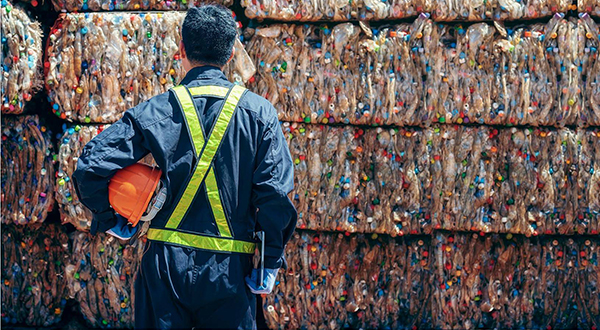
Our approach is to offer complete circular packaging services , right from plastic waste-collection, to finished recycled PET sheets, to sustainable food packaging in the form of punnets and trays. This provides our partners with a one-stop packaging destination for advancing their sustainability actions with comfort and confidence.

Sustainable packaging must withstand the rigors of the supply chain, regardless of its location or destination. To get the most out of recycled materials in plastic packaging, they need to be processed correctly so they retain strength, clarity, and consistency, even during handling and transport. Without this, material loss increases and packaging waste can rise significantly.

Our sustainable packaging solutions focus on balancing environmental responsibility with operational efficiency. By combining recycled materials with proven manufacturing practices, we create packaging that protects products effectively while supporting sustainability goals and meeting evolving customer expectations.
Supporting UN Sustainable Development Goals

There is a world of opportunity to rethink and redesign ways to make packaging more sustainable for the planet. By identifying 14 out of 17 of the United Nations Sustainable Development Goals (SDGs), AVI is taking action on key global issues from preventing food waste to supporting life below water and on land.

These sustainable packaging solutions focus on reducing environmental impact by optimising material usage, improving resource efficiency, and minimising waste across the supply chain. By integrating recycled materials into plastic packaging, AVI Global aligns with global sustainability targets while maintaining consistent performance standards required for industrial and food applications.

AVI website Sustainability page Supporting UN Sustainable Development Goals
Recycled PET Packaging

Recycled PET Packaging

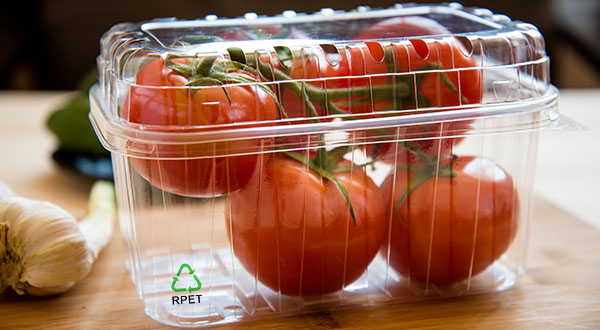
Whether you desire to eliminate virgin fossil-based materials in packaging or choose to support the movement towards zero ocean plastic waste, AVI Global is India’s first PET converter ready with up to 100% verified recycled sheets and packaging that maintains superior performance and complies with international standards for quality, food-contact safety and ethical sourcing.

The use of recycled PET in sustainable packaging requires consistent material quality and controlled processing to ensure reliable performance across the supply chain. Maintaining stability in packaging materials allows AVI Global to deliver eco-friendly solutions that reduce environmental impact while preserving strength, clarity, and food safety requirements.

AVI website Sustainability page Supporting UN Sustainable Development Goals

Supporting UN Sustainable Development Goals

There is a world of opportunity to rethink and redesign ways to make packaging more sustainable for the planet. By identifying 14 out of 17 of the United Nations Sustainable Development Goals (SDGs), AVI is taking action on key global issues from preventing food waste to supporting life below water and on land.

AVI Circular Pack Attributes

6
Recyclable

Packaging designed with attributes for successful collection, sorting, and recycling in the real world and at scale

3
Lower Carbon Footprint

Packaging that has a lower life cycle carbon footprint than alternatives

4
Recycled Content

Post-consumer materials that have served their purpose and have subsequently been recycled to produce a new product

1
Recycle-Ready

Packaging that meets accepted design standards for recyclability

2
Lightweighting

Optimized packaging that fulfils the required function with the least amount of material use

12
360° Traceability

Recycled packaging with full visibility of sources of waste, chain-of-custody documents & certifications, raw material break-up and eco-impact.

6
Recyclable

Packaging designed with attributes for successful collection, sorting, and recycling in the real world and at scale

3
Lower Carbon Footprint

Packaging that has a lower life cycle carbon footprint than alternatives

4
Recycled Content

Post-consumer materials that have served their purpose and have subsequently been recycled to produce a new product

1
Recycle-Ready

Packaging that meets accepted design standards for recyclability

2
Lightweighting

Optimized packaging that fulfils the required function with the least amount of material use

12
360° Traceability

Recycled packaging with full visibility of sources of waste, chain-of-custody documents & certifications, raw material break-up and eco-impact.

FAQs

Does rPET packaging help reduce environmental impact in fresh produce supply chains?

Yes. rPET packaging is made from post-consumer PET waste, reducing the need for virgin plastic in food packaging. In fresh produce supply chains, this helps lower material consumption and supports circular packaging systems when the packaging is collected and recycled back into new food-grade applications.

Why is recycled PET (rPET) widely used in food-grade packaging?

rPET is widely used in food packaging because PET can be recycled and reprocessed into food-contact materials through approved recycling technologies. It offers clarity, strength, and compliance with food packaging regulations in markets such as the EU and US.

Does sustainable packaging affect produce logistics?

Yes. Sustainable fresh produce packaging is often lightweight and designed for better stacking and pallet efficiency. Ventilated packaging improves airflow and precooling, which helps maintain product quality during cold-chain transport.

Is circular packaging important for the future of fresh produce packaging?

Yes. Circular packaging systems allow PET packaging to be collected, recycled, and reused in new packaging. This reduces waste and supports long-term material efficiency in fresh produce packaging supply chains.

What steps can producers take to adopt more sustainable packaging?

Producers can shift to recyclable mono-material packaging such as PET, increase the use of rPET content, and work with packaging suppliers that offer traceable, food-grade recycled materials and designs compatible with existing recycling systems.